
A smooth start with a new cat depends on planning for routine, safety, and comfort before day one. Use this checklist to confirm the household is ready, gather essentials, schedule key vet steps, and set up a low-stress first week so a cat can settle in with fewer surprises.
Before choosing a cat, take a clear look at how daily life will change once feeding schedules, play sessions, and litter duties become non-negotiable.
The “right” cat is usually the one whose needs match your household’s pace. Taking time here can prevent stress-related behavior issues later.
A safe room gives a new cat a manageable space to decompress and learn where essentials are located. This is especially important for shy cats or homes with kids and other pets.
Starting with familiar, simple gear reduces stress and helps a cat settle faster. If you want a printable option, the Checklist Before Bringing a Cat Home – What to Consider Before Getting a Cat can help keep all steps in one place.
| Category | What to Buy | Helpful Notes |
|---|---|---|
| Essentials | Litter box + scoop + litter | Start with familiar litter to reduce accidents; place box in a quiet spot |
| Feeding | Food + bowls + treats | Keep the same food initially; switch slowly over 7–10 days if changing |
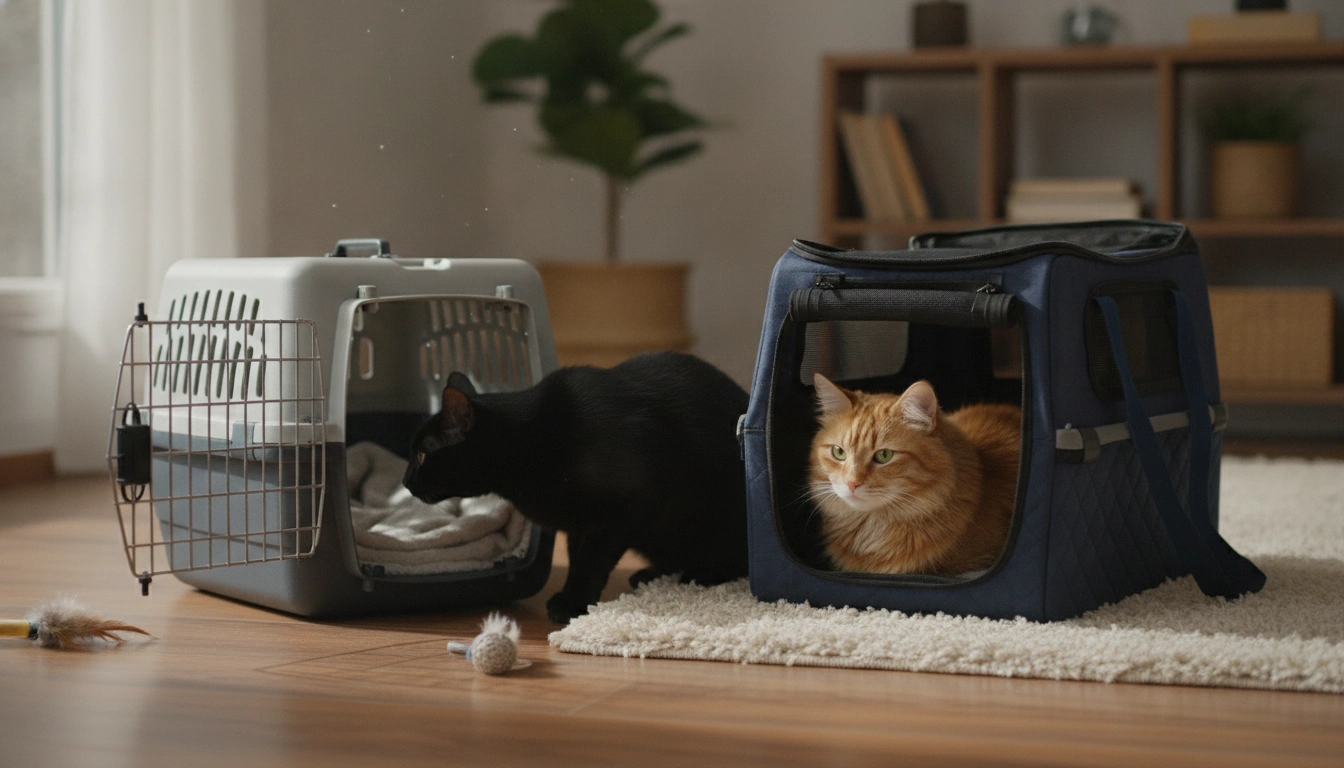
| Transport | Sturdy carrier | Train early by leaving the carrier open with a soft blanket inside |
| Behavior | Scratcher(s) + toys | Offer both vertical and horizontal scratching options |
| Comfort | Bed + hiding spot | Hiding reduces stress; avoid forcing interaction |
| Health | Brush + nail care basics | Handle gently and gradually; stop if the cat becomes stressed |
If cold weather travel is part of pickup day or early vet visits, a carrier cover can help reduce drafts and visual stress in busy environments. Consider the Cozy Winter Thermal Cover for Cat Carriers as a comfort add-on (especially for anxious travelers).
Plan the first veterinary steps early so you’re not scrambling if something seems “off” in the first few days. Baseline guidance from reputable resources like the American Veterinary Medical Association (AVMA) and the ASPCA can also support your day-to-day care decisions.
If your schedule keeps you away for long stretches, building a calm routine and environment can make a big difference. The Zen While You’re Away: Keeping Your Pets Calm When You’re at Work – eBook Guide offers practical ideas for setting up a more relaxing day when no one is home.
Set up a quiet safe room with a litter box (away from food and water), simple bedding, a hiding spot, and at least one scratching option. Keep the initial setup familiar and uncluttered, and have a carrier ready and accessible.
Many cats do well with 3–7 days, but the best timing depends on confidence and consistency with eating and litter use. Shy cats and multi-pet homes often benefit from a longer, slower transition.
Schedule a visit within the first week or two to establish baseline health and confirm vaccines, parasite prevention, and microchip details. Go sooner if you notice symptoms like not eating, vomiting, breathing changes, or litter box straining.











Leave a comment