HomeBlogBlogWooden Parakeet Swing: Setup, Training & Safety Tips

Wooden Parakeet Swing: Setup, Training & Safety Tips

Wooden Parakeet Swing: Setup, Training & Safety Tips

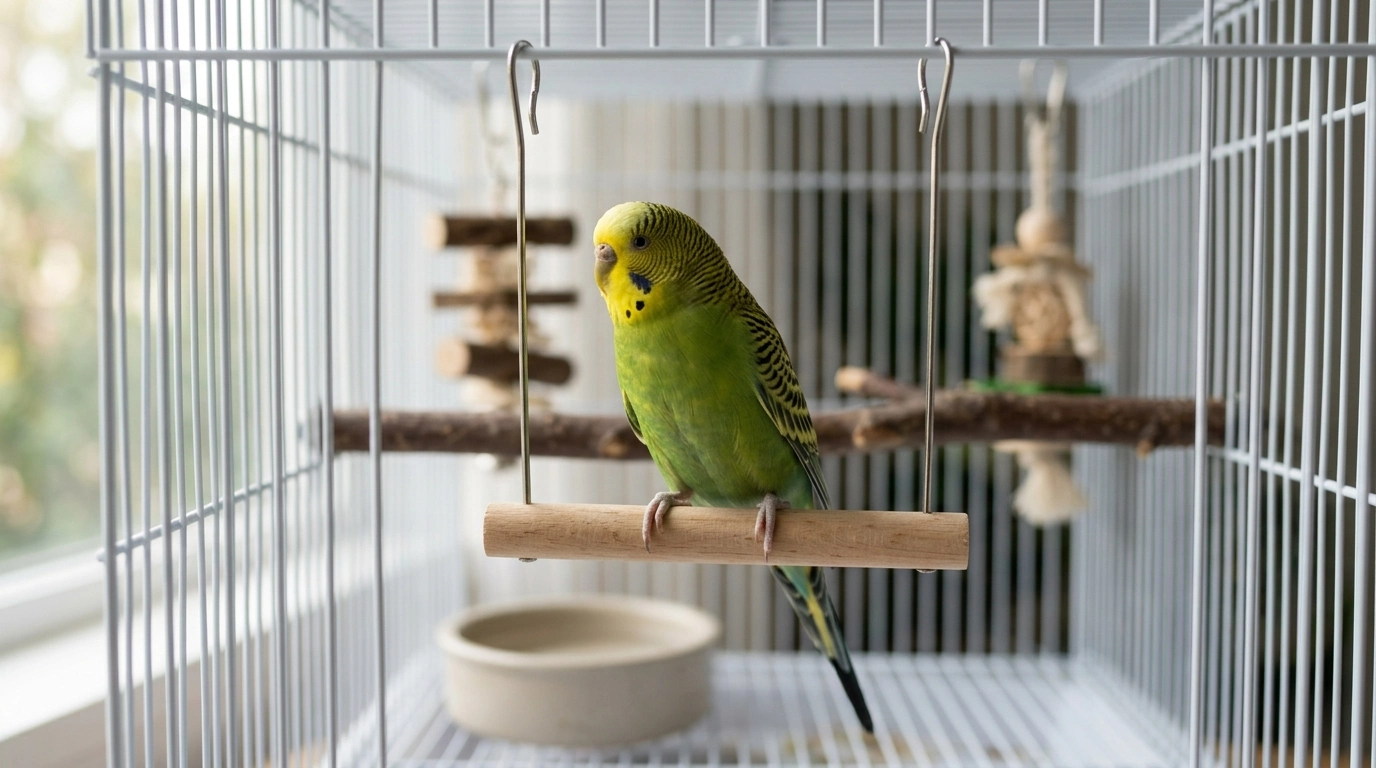
Wooden Parrot Swing & Training Toy for Parakeets and Small Birds

A well-placed swing can do more than add a cute perch to the cage—it can encourage balance, confidence, and daily movement. This wooden swing and training toy is designed for parakeets and other small birds that benefit from gentle motion, easy grip, and a simple setup that fits into everyday enrichment routines. When used thoughtfully, a swing becomes both a comfort spot and a practical “training station” for calm, repeatable behaviors. For more guidance, see Budgie Toys.

What a Swing Adds to a Small Bird’s Day

  • Encourages natural perching and shifting weight, which supports coordination and foot use.
  • Provides a predictable “safe spot” that can help nervous birds settle in a new environment.
  • Adds low-impact movement for birds that spend long periods in the cage.
  • Creates a consistent place for short training sessions (step-up practice, target training, calm perching).

For many budgies and small parrots, a swing also offers a different “feel” than a fixed perch. That gentle sway asks the bird to make tiny adjustments—great for confidence—without turning enrichment into something overwhelming. For further reading, see How to Pick Safe Bird Toys.

Key Features to Look For in a Wooden Swing

  • Smooth, bird-safe wood surfaces without splinters or sharp edges.
  • Stable hanging hardware that resists loosening as the swing moves.
  • A perch diameter that allows toes to wrap comfortably without over-gripping.
  • Enough clearance around the swing to prevent tail or wing brushing against cage bars.
  • Simple design that is easy to inspect and keep clean.

Wooden cage accessories can be a good fit for small birds, especially when the finish is smooth and the construction is straightforward to check. If your bird is a dedicated chewer, it’s worth pairing a swing with additional chew-appropriate items so one accessory doesn’t take all the wear.

For general bird husbandry guidance and safety considerations, reputable resources like the Association of Avian Veterinarians (AAV) and the ASPCA Bird Care library are helpful references.

Quick Setup: Placement That Helps Birds Feel Secure

  • Start with the swing slightly lower than the highest perch so it’s approachable, not intimidating.
  • Keep at least a few inches of space on all sides so the swing can move freely.
  • Avoid placing directly above food/water dishes to reduce droppings and mess.
  • Position near a familiar perch so the first step onto the swing feels like a short “hop,” not a leap.
  • If the bird is timid, begin with minimal swing motion by limiting clearance, then gradually allow more movement.

A good first-week goal is simply “curious and calm.” If the bird looks at the swing, leans toward it, or touches it with a beak, that’s progress. Let comfort set the pace—especially for newly adopted birds that are still learning the cage layout.

Training Ideas: Turning a Swing into a Confidence Builder

  • Step-on practice: reward a single foot touch, then two feet, then calm standing.
  • Balance games: offer a treat slightly to one side to encourage controlled shifting.
  • Stationing: teach the swing as a “go to your spot” perch for calm moments during cage cleaning.
  • Desensitization: gently move nearby items (slowly) while rewarding calm perching to build resilience.
  • Short sessions (1–3 minutes) prevent frustration and keep the swing associated with success.

Simple swing-based training progression

Stage What the bird does Reward timing Tip to keep it calm
1 Looks at or approaches the swing Immediately upon approach Keep the swing still at first
2 Touches with one foot or beak The moment of contact Reward small tries; don’t rush
3 Steps on with both feet When both feet are on Let the bird step off whenever it wants
4 Stands for 3–10 seconds After the calm pause Use quiet treats; reduce excitement
5 Perches while swing gently moves During calm balance Increase motion gradually over days

Safety and Maintenance Checklist

  • Inspect wood for splinters, cracks, or rough spots; sand lightly if needed.
  • Check hardware weekly for loosening and ensure the swing hangs straight.
  • Remove any frayed cords or worn parts immediately if present on any cage accessory.
  • Wipe regularly with warm water; avoid harsh cleaners that leave residues.
  • Rotate enrichment: even a favorite swing benefits from occasional rearrangement to prevent boredom.

Who This Style of Swing Fits Best

Wooden Parrot Swing & Training Toy: Product Snapshot

  • Wooden Parrot Swing & Training Toy for Parakeets and Small Birds (USD 11.67)
  • A wooden swing designed for parakeets and small birds.
  • Useful as a daily perch and as a simple training “station” for calm behaviors.
  • Pairs well with a routine of short rewards-based sessions and rotating cage enrichment.
  • Available while supplies last.

If your household is also working on calmer routines during busy hours, the Zen While You’re Away: Keeping Your Pets Calm When You’re at Work – eBook Guide can complement a steady enrichment schedule by helping you build predictable, low-stress patterns across the day.

FAQ

How long does it take for a parakeet to get used to a swing?

Many budgies adjust within a few days, but timid birds may take a couple of weeks. Keep the swing as still as possible at first, reward any approach, and let confidence build before encouraging more movement.

Where should a swing be placed in the cage?

Place it near a familiar perch with enough clearance to move freely, and avoid positioning it directly above food and water. If your bird is nervous, start slightly below the highest perch so it feels easier to investigate.

Is a wooden swing safe for small birds that chew a lot?

It can be, as long as the wood is smooth and bird-safe and you inspect it often for splinters or cracks. If chewing causes damage, remove the swing and offer other chew-appropriate enrichment so your bird isn’t focused on one item.

Was this article helpful?

Yes No
Leave a comment
Top

Shopping cart

×