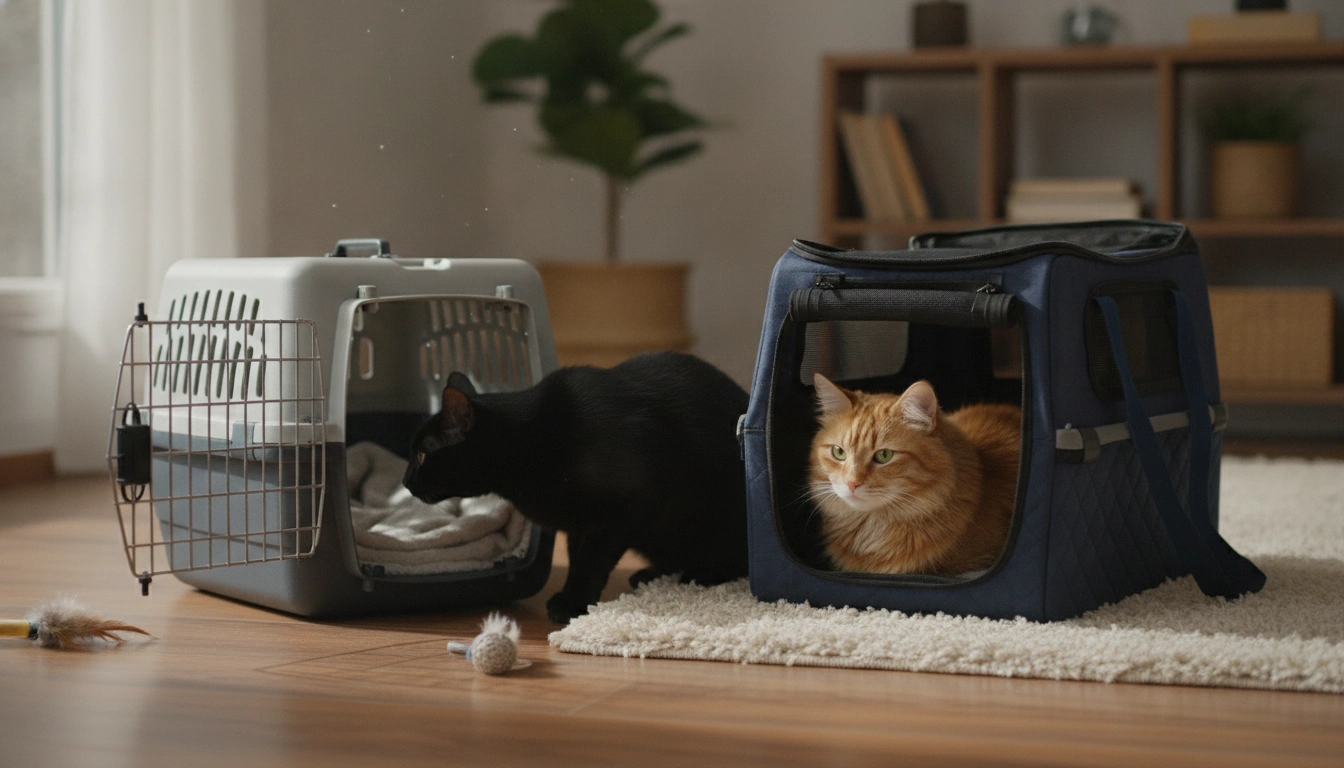
Most cats don’t have a universal “hard vs. soft” preference—their comfort depends on how secure they feel, how they were introduced to the carrier, and what kind of trip they’re taking. That said, many cats relax faster in a sturdy hard-sided carrier because it feels like a stable den, blocks more visual stimulation, and doesn’t flex when lifted. For cats that startle easily or dislike being jostled, that rigid structure can make a big difference.
Soft-sided carriers can also be a hit, especially for cats that are already confident travelers. They’re typically lighter, often have multiple entry points, and may feel cozier due to fabric walls. The trade-off is that some soft carriers sag, shift, or press in when carried—sensations that can make nervous cats tense up. If a cat has ever tried to claw or chew their way out, a hard carrier usually holds up better and can feel safer for everyone.
Hard carriers tend to be the least stressful for routine vet trips because they’re easy to load, easy to clean, and many models allow top-loading or even separating the top half so the cat can stay in the bottom “shell” during exams. That minimizes handling and can reduce fear responses.
A quality soft carrier is great for short, calm trips, travel where a lighter bag helps, or situations where the carrier must fit under an airline seat. Look for a firm base, strong zippers, good ventilation, and enough height for your cat to sit up comfortably without the roof collapsing.
For a deeper breakdown of comfort, safety, and travel scenarios, see the full guide here: Do cats prefer hard or soft carriers?
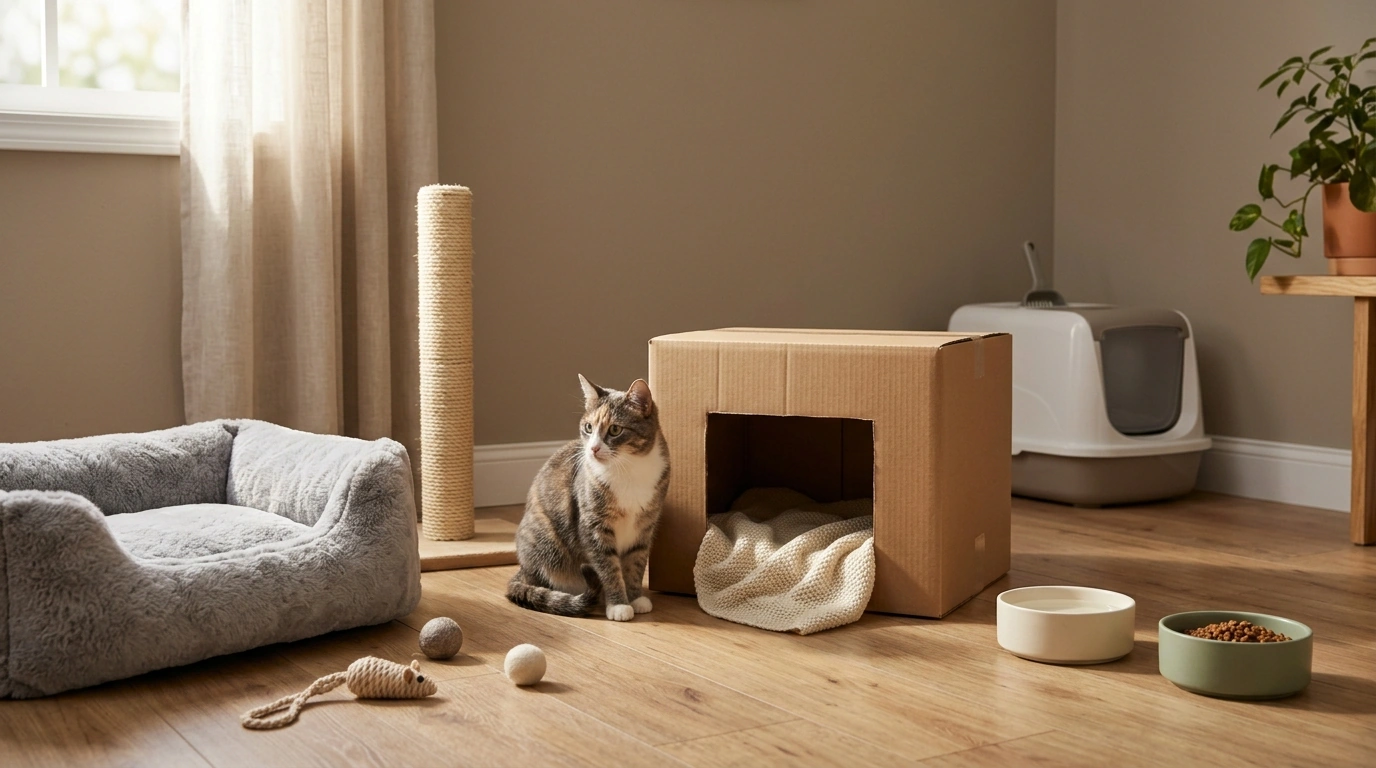
Leave the carrier out year-round with a soft blanket and occasional treats inside so it becomes part of the home, not a cue for the vet. Feed meals near it, then inside it, and practice short, calm “carrier time” sessions before any real trip.









Leave a comment